
Eustachian Tube Dysfunction
About the Condition
Signs and Symptoms
While symptoms of ETD can be mild and may resolve after a few days, pain or discomfort in your ear can be a sign of Eustachian tube dysfunction. Common symptoms associated with persistent ETD (for more than 12 weeks) include:1
- Muffled hearing
- Fullness of the ear
- Pain in the ear
- Inability to equilibrate middle ear (ME) pressure
- Tinnitus
- Dizziness
During the past month, if any of these symptoms were either a moderate or severe problem, it may be time to talk to your doctor. Only a doctor can determine if you have persistent ETD.
To help you start the conversation, download the Patient Questionnaire or find a trained doctor near you.

The Eustachian Tube: An Inside Look
A narrow canal or passage that leads to the middle ear, the Eustachian tube is normally closed but opens when swallowing, yawning or chewing. This small but important part of the ear has three principal functions:2
- To protect the middle ear from pathogens—microorganisms including bacteria and viruses that
- To ventilate the middle ear, helping keep the air pressure equal on either side of the eardrum, enabling it to work
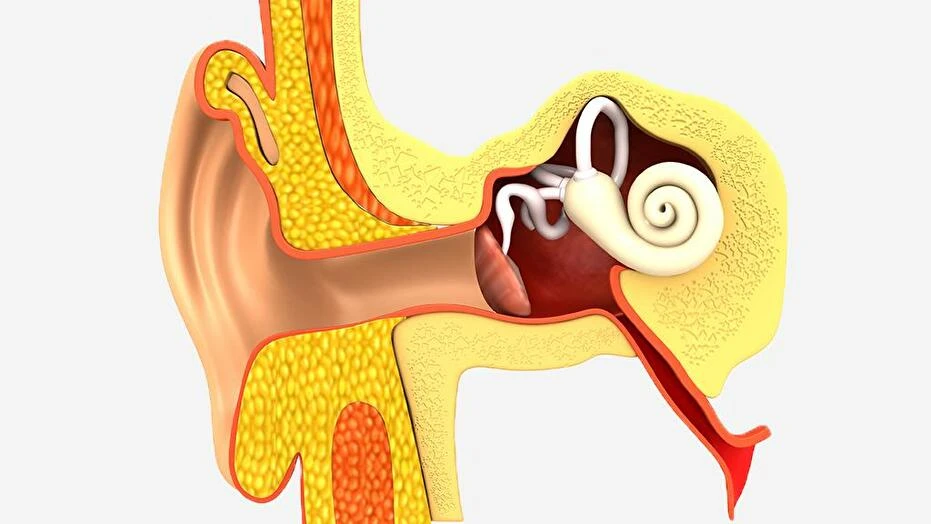
What Are the Causes of ETD?
When the lining of the Eustachian tube becomes swollen, this inflammation can narrow or block the tube, resulting in ETD or dysfunction of the tube.
Causes of ETD include:
- Onset of an infectious or inflammatory condition such as an upper respiratory tract infection2
- Allergic rhinitis or rhinosinusitis, leading to difficulties in pressure equalization, discomfort and other symptoms2
- Deviated nasal septum2
- Dysfunction or failure of the muscles associated with Eustachian tube opening 2
Other potential risk factors include tobacco smoke, reflux and radiation exposure.2

Do I Have Persistent ETD?
Common signs and symptoms associated with persistent ETD include:
- Chronic pressure in the ears
- Pain in the ears
- A clogged or “underwater” feeling
- Loud hearing of your own voice (autophony)
- Crackling or popping sounds in the ears
- Ringing in the ears
- Muffled hearing
During the past month, if any of these symptoms were either a “moderate problem” or a “severe problem,” it may be time to talk to your doctor.
Only a doctor can determine if you have persistent ETD. To help you start the conversation, download a Patient Questionnaire or find a trained doctor near you.
Please Note: The Find your Doctor locator ("Locator") provided here is intended for use by the general public as a quick reference for patients wanting to locate physicians who perform procedures with the Acclarent portfolio. Integra LifeSciences and its parents, subsidiaries, affiliates, directors, officers, employees, agents, and representatives (collectively "Integra") does not, in anyway, endorse the individuals, institutions or group practices included in the Locator. Similarly, any omission from the Locator does not suggest disapproval or any other position or assessment by Integra.
Disclaimer: The information featured here is not intended as medical advice, or to be used for medical diagnosis or treatment. Please talk to your doctor if you have questions. This content is intended for audience within the US only.
Disclosures
This site is published by Acclarent, Inc. which is solely responsible for its contents. It is intended for visitors from the United States.
References
- Randrup, T.S. & Ovesen, T. (2015) Balloon Eustachian Tuboplasty: A Systematic Review. Otolaryngology–Head and Neck Surgery, 152(3); 383–392
- Llewellyn, A., Norman, G., Harden, M., Coatesworth, A., Kimberling, D., Schilder, A. and McDaid, C. (2014). Interventions for adult Eustachian tube dysfunction: a systematic review. HEALTH TECHNOLOGY ASSESSMENT, 18; 1-180.