
About Hydrocephalus
About Hydrocephalus
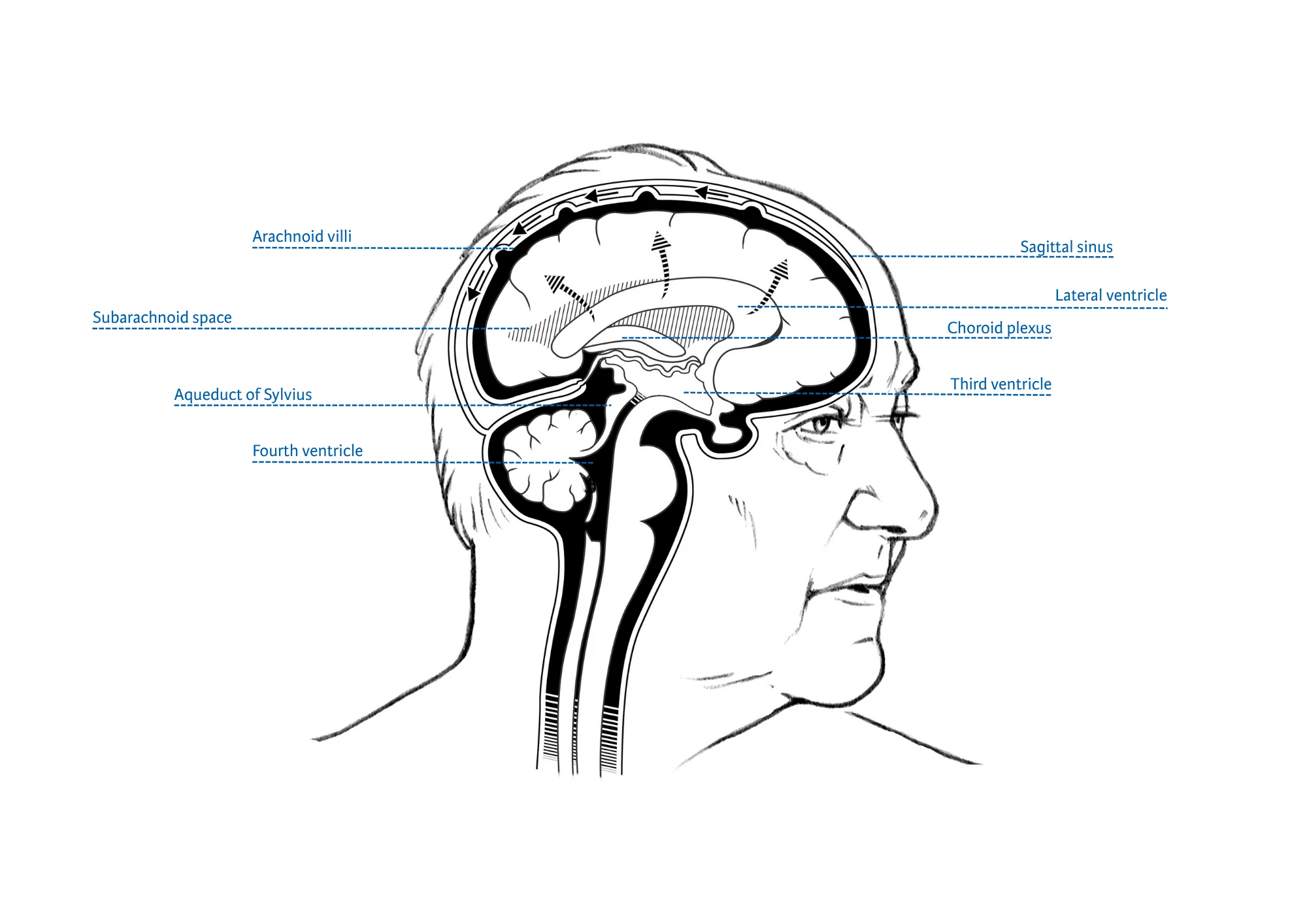
Hydrocephalus is an abnormal (excessive) accumulation of cerebrospinal fluid (CSF) in the head. The CSF is located and produced within cavities of the brain called ventricles.
The function of CSF is to cushion the delicate brain and spinal cord tissue from injuries and maintain proper balance of nutrients around the central nervous system.
Normally, most of the CSF produced on a daily basis is absorbed by the bloodstream. Every day your brain produces a certain amount of CSF, and that same amount of CSF is absorbed in the brain.
When an imbalance occurs, an excess of CSF fluid builds up, resulting in the condition known as hydrocephalus. Left untreated, hydrocephalus will create increased pressure in the head and may result in brain damage or even death.
What Are the Causes and Types?
In general, hydrocephalus can be caused by one or more of the following:
- Interference with normal CSF flow, due to an obstruction or blockage in the CSF fluid pathway
- Overproduction of CSF
- Under absorption of CSF into the blood stream
There are two types of hydrocephalus:
- Communicating hydrocephalus, caused by the overproduction or under absorption of CSF
- Noncommunicating or obstructive hydrocephalus, caused by a blockage of the CSF pathways
Hydrocephalus is termed congenital if present before or since birth or acquired if developed after birth. A variety of causes can contribute to acquired hydrocephalus. Some are head injury, tumors, or meningitis. In most cases, the circumstances contributing to hydrocephalus are beyond a person’s control.
What Are Some Symptoms of Uncontrolled Hydrocephalus?
When too much CSF exists within the brain, the pressure within the skull may increase (except in the case of Normal Pressure Hydrocephalus), causing symptoms such as headaches, nausea, vomiting, sleepiness, failing mental function, blurred vision, and loss of coordination.
In infants, the skull bones are not completely formed and joints between the bones of the skull are not closed, so the increased amount of fluid may cause the skull to increase in size. This is a visual sign of hydrocephalus but is only noticeable in infants and newborns.
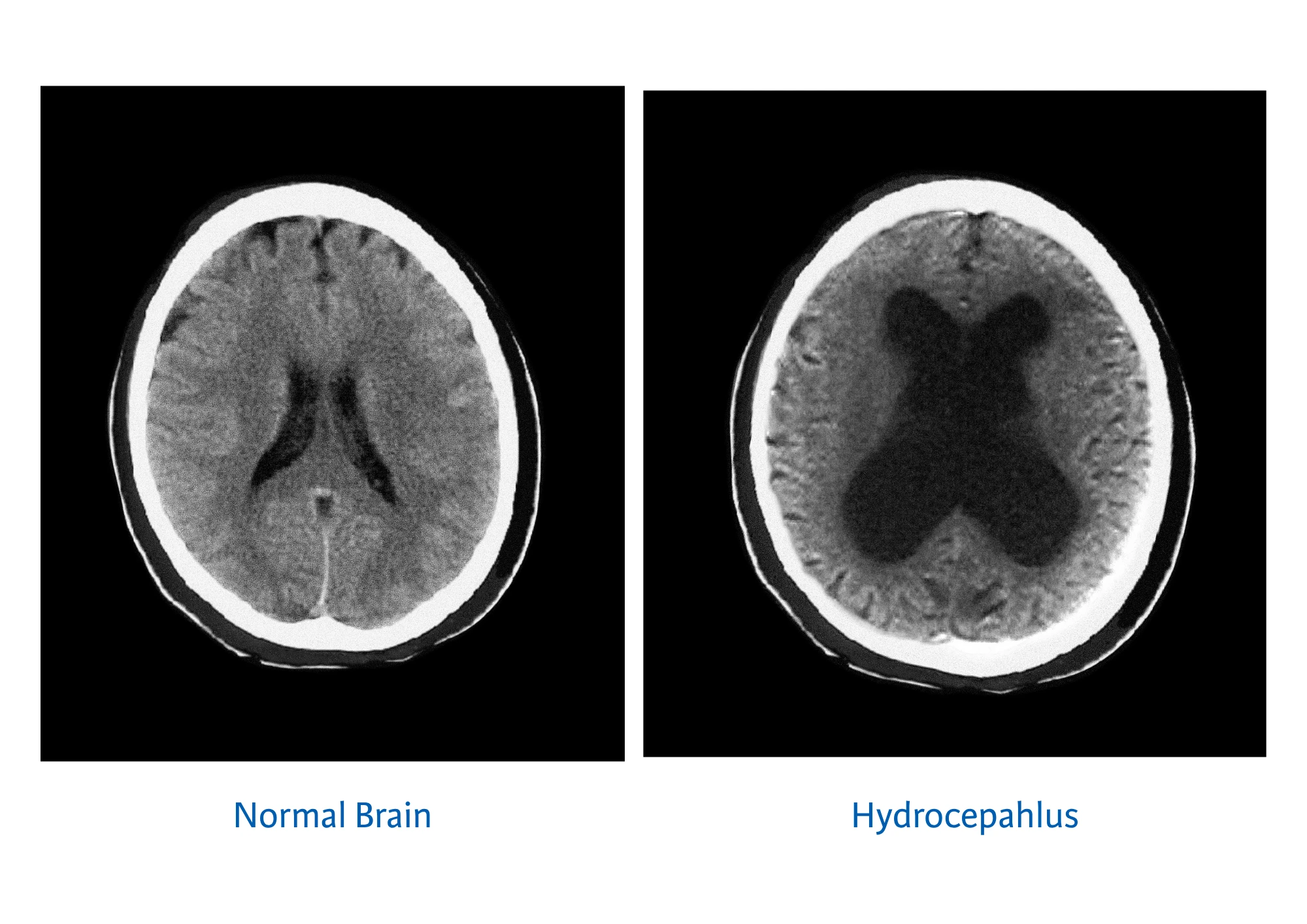
Usually, hydrocephalus causes the ventricles of the brain to enlarge due to increased CSF within the skull. If a person exhibits symptoms of hydrocephalus, a doctor may perform several tests to confirm if hydrocephalus exists.